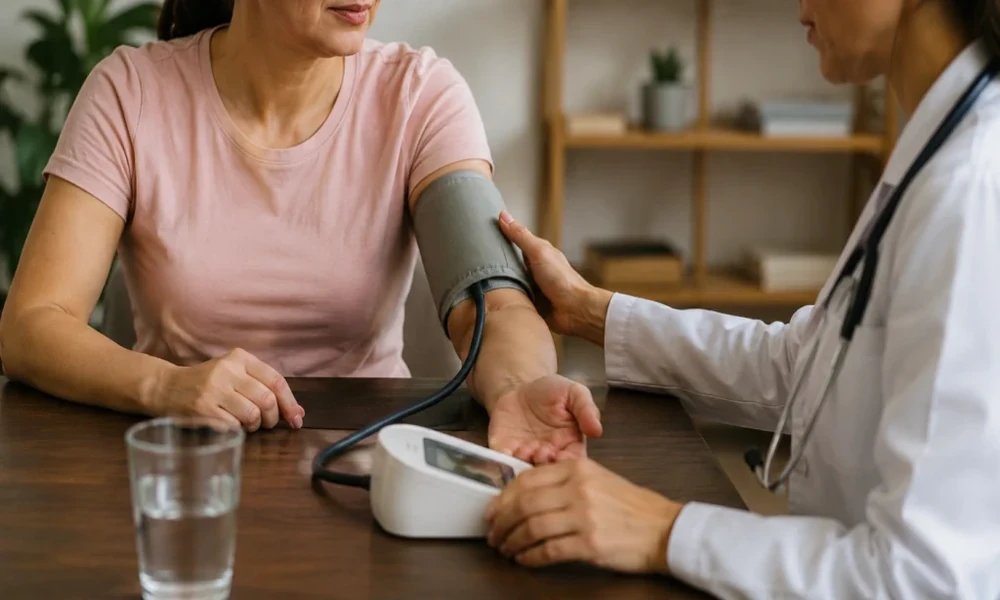
Blood pressure changes throughout the day. It rises with activity, stress, pain, poor sleep, caffeine, and other influences, then usually falls during rest and sleep. Because of this variation, a single clinic reading can sometimes give an incomplete picture.
For people considering an Ayurvedic BP control program, accurate monitoring should be the foundation. The goal is not simply to produce a lower reading during a clinic visit. It is to understand the patient’s usual blood pressure, manage cardiovascular risk, and keep treatment safe over the long term.
Why One Reading May Not Be Enough
Some people have “white-coat” hypertension, where blood pressure is higher in a clinic than at home. Others have masked hypertension, where clinic readings look acceptable but pressure is elevated during normal daily life.
A structured hypertension treatment program may therefore use repeated home readings or ambulatory blood-pressure monitoring when clinically appropriate. Ambulatory monitoring records blood pressure at intervals over a full day and night, providing information about daytime levels, sleep-time levels, and the overall pattern.
This additional data can help the treating team avoid both undertreatment and unnecessary treatment.
Night-Time Blood Pressure Matters
Blood pressure normally decreases during sleep in many people. When this decline is reduced or absent, the pattern may be associated with higher cardiovascular risk.
Sleep apnoea, obesity, diabetes, kidney disease, high sodium intake, poor sleep, and other conditions can influence night-time blood pressure.
A good BP program should therefore ask about sleep quality, snoring, daytime sleepiness, and other symptoms when relevant. Treating only the daytime clinic number may miss an important part of the problem.
Home Monitoring Improves Follow-Up
Patients who monitor at home can provide useful information about how blood pressure responds to medicines, diet, activity, stress, and time of day.
The technique matters. Patients should use an appropriate validated device, sit quietly before measuring, keep the arm supported, and follow a consistent schedule recommended by their clinician.
Home monitoring should not become a source of anxiety. The aim is to collect reliable trends, not to react to every isolated reading.Lifestyle Changes Should Be Measurable Too
An Ayurvedic or integrative program may include dietary changes, physical activity, weight management, yoga, breathing practices, stress reduction, and other supportive measures.
These interventions should be connected to measurable outcomes. If body weight falls, sodium intake improves, physical activity increases, and blood pressure becomes more stable, the clinical team can see whether the strategy is working.
Patients with metabolic syndrome may benefit from coordinated management because hypertension often occurs together with abdominal obesity, insulin resistance, high blood sugar, and abnormal lipids.
Medication Safety Remains Essential
Many people with hypertension need prescription medicines even when they follow an excellent lifestyle program. The need for medication depends on the average pressure, cardiovascular risk, and associated conditions.
Medicines should not be stopped abruptly when an Ayurvedic program begins. If pressure improves significantly, a qualified clinician can decide whether doses should be adjusted.
Patients should also disclose herbal products and supplements. Some may affect blood pressure, kidney function, potassium, or the action of prescription drugs.
Connect BP Control With Heart Disease Prevention
Hypertension makes the heart work against higher pressure and can contribute to coronary disease, heart enlargement, heart failure, stroke, and kidney disease over time.
This is why blood-pressure management should connect with broader heart disease treatment. A patient with chest pain, breathlessness, previous angioplasty, diabetes, or reduced heart function may need a more intensive cardiovascular plan than someone with uncomplicated early hypertension.
The overall goal is risk reduction, not simply reaching a number during one appointment.
When Should Patients Seek Urgent Care?
Very high pressure accompanied by severe headache, chest pain, breathlessness, confusion, weakness, vision changes, fainting, or neurological symptoms requires urgent assessment.
An integrative clinic should have clear escalation protocols and should never attempt to manage a suspected hypertensive emergency only with lifestyle or supportive therapy.
What Should Be Reviewed During Follow-Up?
Follow-up should include average home readings, clinic measurements, symptoms, medicine tolerance, weight, activity, diet, sleep, and relevant blood tests.
Patients with diabetes, kidney disease, or cardiovascular disease may need additional monitoring. The plan should be adjusted when readings remain above target or when side effects occur.
A reliable program should also teach patients how often to measure at home and when to contact the care team instead of leaving them to interpret every reading alone.
Review the Pattern, Not Just the Average
Two patients can have the same average blood pressure but very different patterns. One may have large morning surges, while another remains elevated at night. These patterns can influence how clinicians time medicines, assess sleep problems, and judge overall risk.
Patients should bring recorded readings to follow-up visits instead of changing treatment on their own. Trend-based decisions are more useful than reacting to the highest isolated number seen on a home monitor.
What Makes an Ayurvedic BP Program Responsible?
The strongest programs combine traditional supportive care with modern measurement and medical safety. They do not claim that every patient can stop medication or that one herb can treat all forms of hypertension.
They provide an accurate diagnosis, monitor blood pressure outside the clinic when useful, address weight and metabolic risk, review medicines, and create a sustainable lifestyle plan.
Twenty-four-hour or home monitoring is valuable because hypertension is a condition of patterns, not isolated numbers. Understanding those patterns allows treatment to be safer, more personalised, and more focused on reducing long-term cardiovascular risk.