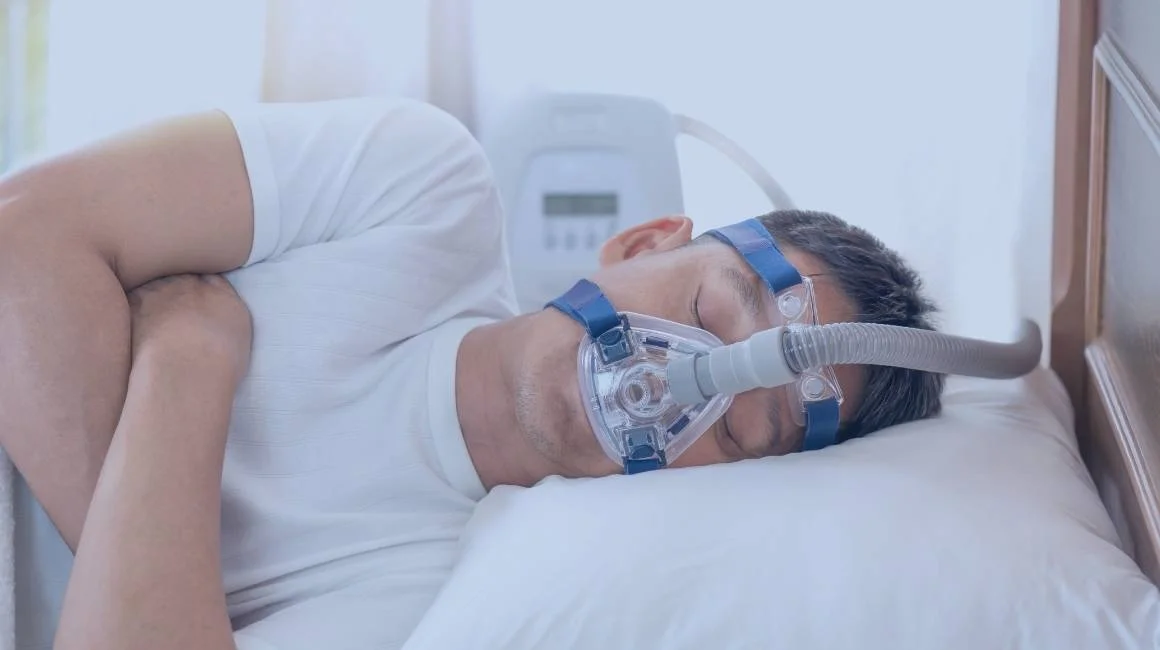
Sleep issues can be a real pain, can’t they? You toss and turn at night, only to wake up tired and frustrated. You’re not alone. Many people struggle with sleep disorders. But there is hope. General practitioners play a vital role in managing sleep disorders. They are the first line of defense, often catching the early signs of a problem. They can provide valuable advice, guide you to the right specialists, and even suggest treatments like Clifton microneedling and PRP. This blog will explore how they do this. How they bring sleep back into the lives of the sleepless. Let’s dive right in.
Understanding Sleep Disorders
The first step in tackling sleep disorders is understanding them. Insomnia, sleep apnea, and restless legs syndrome are all types of sleep disorders. They affect not just your sleep, but your entire day. Lack of quality sleep can make you irritable, affect your memory, and even lead to various health issues. A good night’s sleep is as vital as a healthy diet and regular exercise.
Role of General Practitioners
General Practitioners, or GPs, are often the first ones to pick up signs of a sleep disorder. They can provide helpful guidance and direct you toward specialists if needed. Your GP knows your health history, your habits, and your lifestyle. This vast knowledge aids them in diagnosing the problem accurately.
Treatment Options
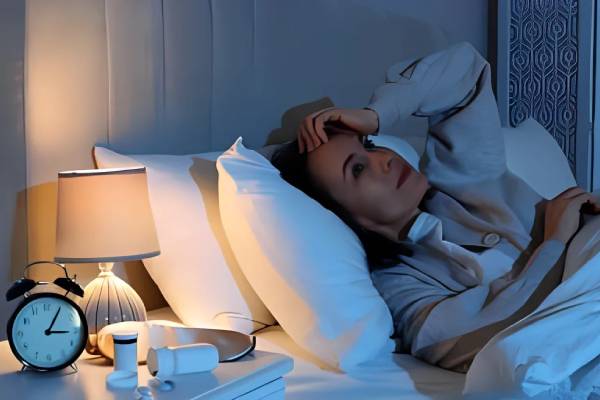
Based on your symptoms, your GP might suggest lifestyle modifications, therapies, or treatments like Clifton microneedling and PRP. The goal is to improve the quality of your sleep. Sometimes, a simple change in diet or exercise routine can make a huge difference.
Comparison of Treatments
Let’s look at a few treatment options more closely:
| Treatment | What It Does | Best For |
| Lifestyle modifications | Changes in diet, exercise, and bedtime routines | Mild to moderate insomnia, sleep apnea |
| Cognitive Behavioral Therapy | Helps you understand and change thought patterns leading to harmful behaviors | Insomnia, nightmares |
| Clifton microneedling and PRP | Improves skin health, which can indirectly improve sleep | Sleep apnea and other sleep disorders related to skin health |
Conclusion
Good sleep is not a luxury, it’s a necessity. If you’re struggling with sleep disorders, your GP can provide valuable help. They can guide you through the process, suggest treatments, and help bring a good night’s sleep back into your life.