Key Takeaways
- HIFU treatment uses focused ultrasound energy to target specific tissue layers beneath the skin without making incisions.
- The treatment works by creating controlled thermal points at predetermined depths while leaving the skin surface largely unaffected.
- The body’s natural healing response includes collagen remodelling over time, which contributes to gradual changes in skin firmness.
- Different treatment depths are selected depending on the anatomical area and treatment objectives.
- A consultation helps determine whether HIFU treatment is appropriate based on skin condition, facial anatomy, and treatment goals.
Introduction
Many skin-tightening procedures focus on the surface of the skin, but HIFU treatment is designed to work beneath it. High-Intensity Focused Ultrasound (HIFU) delivers ultrasound energy to selected tissue layers without requiring surgical incisions. Instead of affecting the outermost layer first, the energy reaches targeted depths where structural support changes commonly occur with ageing. This approach has made HIFU a widely discussed option at our aesthetic centre for individuals seeking non-surgical skin tightening, often alongside options like titanium lifting. Understanding what occurs beneath the skin helps explain why treatment results typically develop gradually rather than immediately.
The Skin Surface Remains Largely Unaffected
Unlike treatments that remove or resurface the outer layer of the skin, HIFU is designed to bypass the epidermis. Ultrasound energy passes through the superficial layers until it reaches predetermined depths beneath the surface. This allows the treatment to concentrate its effect within targeted tissues while minimising direct disruption to the skin above.
The ability to deliver energy below the surface is made possible by focused ultrasound technology. Instead of spreading heat broadly, the ultrasound converges at precise points beneath the skin. These focal points become the primary treatment zones while the surrounding tissues receive considerably less energy. As a result, the skin surface generally remains intact throughout the procedure, although temporary redness or mild swelling may occur afterwards.
Controlled Thermal Points Trigger a Healing Response
Once the ultrasound reaches the selected depth, it creates tiny zones of controlled heat known as thermal coagulation points. These microscopic areas are intentionally small and precisely positioned. Rather than causing widespread tissue damage, they stimulate the body’s natural repair mechanisms within the treated areas.
Following treatment, the body begins responding to these controlled thermal points through a healing process. Cells involved in tissue repair become active, and collagen remodelling gradually occurs over the following weeks and months. Because this biological response develops progressively, changes in skin firmness or lifting are usually not immediate. The timeline varies between individuals due to differences in age, skin quality, lifestyle, and natural collagen production.
Different Tissue Depths Serve Different Purposes
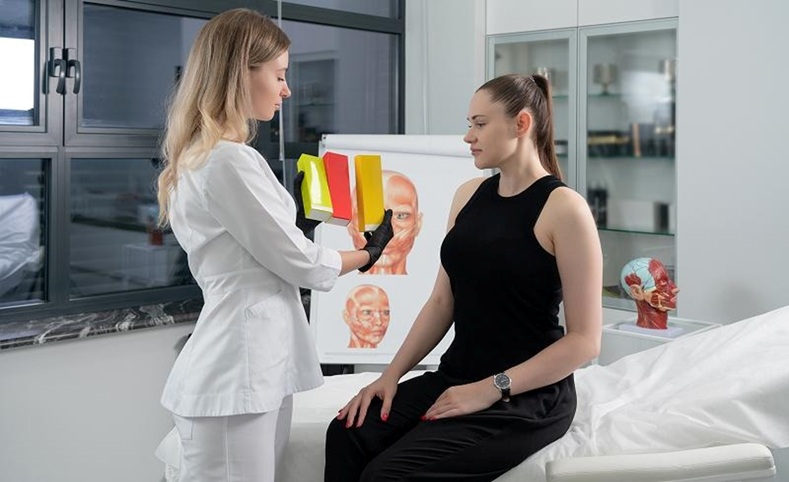
One characteristic of HIFU treatment is its ability to target multiple tissue depths. Treatment cartridges are designed to deliver ultrasound energy at specific levels beneath the skin, allowing practitioners to select the appropriate depth based on the treatment area and the individual’s anatomy.
While HIFU remains a popular choice, patients at our aesthetic centre may sometimes combine it with other procedures, such as titanium lifting, to address different skin concerns simultaneously.
Shallower depths may be selected for thinner skin or more superficial tissues, while deeper depths can reach structures that contribute more significantly to facial support. Certain protocols also target the superficial muscular aponeurotic system (SMAS), a connective tissue layer frequently discussed in facial lifting procedures. By treating different layers, practitioners can develop treatment plans suited to various areas of the face and neck rather than applying the same approach universally.
Collagen Remodelling Continues After the Procedure
The treatment session itself may last less than two hours depending on the number of treatment areas, but biological activity continues well beyond the appointment. Newly stimulated collagen fibres gradually mature while existing collagen structures undergo remodelling. This ongoing process explains why improvements often become more noticeable over several months instead of appearing immediately after treatment.
The extent of collagen remodelling differs between individuals because collagen production naturally changes with age. Factors such as smoking, ultraviolet exposure, overall skin condition, and general health may also influence how tissues respond during the healing period. These variables are considered when discussing realistic treatment expectations.
Why Individual Assessment Matters
Not every person experiences skin laxity in the same way. Facial anatomy, skin thickness, collagen density, and the location of tissue laxity all influence treatment planning. For this reason, practitioners typically assess multiple factors before recommending energy settings, treatment depths, or target areas.
Many aesthetic clinics perform consultations to evaluate skin condition alongside medical history and treatment objectives before proceeding. This assessment helps determine whether HIFU treatment aligns with the individual’s skin characteristics and whether alternative or complementary procedures should also be considered. Whether you are considering HIFU or exploring titanium lifting, a consultation at a trusted aesthetic centre is the essential first step to achieving your desired results.
Conclusion
The effects of HIFU treatment occur beneath the skin rather than on its surface. Focused ultrasound energy creates controlled thermal points within selected tissue layers, initiating a natural healing response that includes gradual collagen remodelling. Because different tissue depths serve different structural roles, treatment planning is based on facial anatomy and skin condition rather than a standard approach. Understanding these underlying processes provides clearer expectations of how the procedure works and why results typically develop progressively over time.
Contact AEON Medical & Aesthetic Centre and support your firmer skin with the right treatment approach.