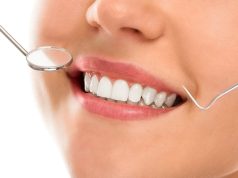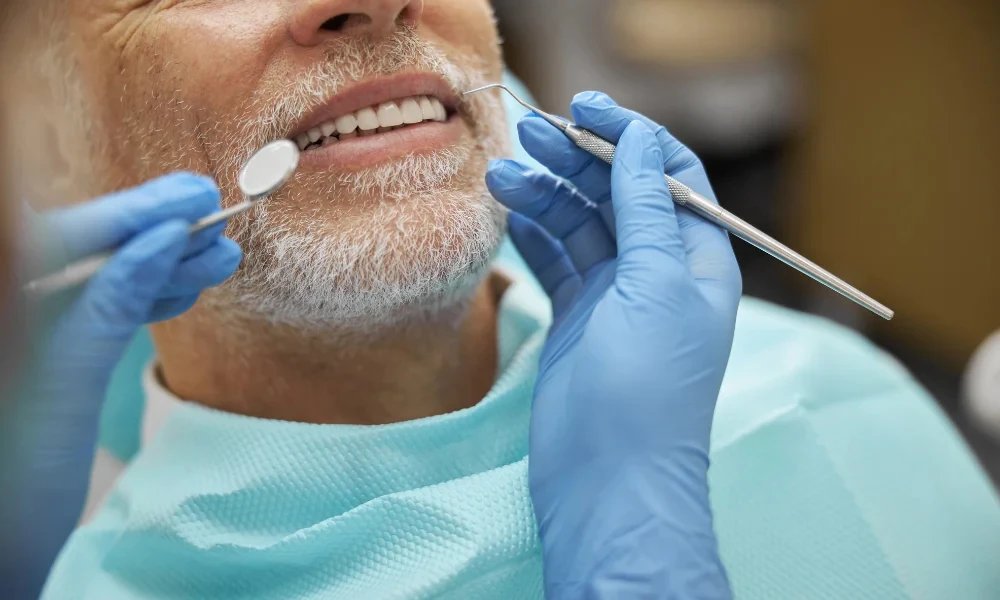
Veneer bonding does not fail randomly. Specific daily patterns wear down the margin and surface finish in ways that compound quietly over months before anything becomes clinically visible. Porcelain bonds to prepared enamel and holds well under normal biting. Repeating problems. The same stress applied across the same surface, day after day, eventually exceeds what the bonding layer tolerates. Patients who read more here before scheduling veneer placement understand which habits need addressing before the restoration goes in, not after. Grinding during sleep is one pattern that causes consistent damage because lateral force hits the veneer edges at an angle, and the enamel was not shaped to deflect. Micro-fractures form along those edges gradually. Nail biting concentrates pressure at the incisal edge, where veneers are thinnest by design. Acidic food and drink work differently. Rather than mechanical stress, they soften resin at the margin slowly, opening micro-gaps that allow moisture entry without producing any obvious sign until adhesion has weakened considerably. Early habit correction matters precisely because none of this occurs before significant progression has occurred.
Which habits reduce veneer durability?
Certain behaviours accelerate margin failure well beyond normal material ageing. Spotting these patterns early gives the clinician room to adjust the treatment plan before placement rather than managing consequences afterwards.
- Grinding and clenching apply lateral pressure; veneer surfaces were not designed to absorb repeatedly. Night guard use before placement is standard for confirmed bruxism.
- Coffee, red wine, and deeply pigmented drinks stain composite veneers noticeably faster than porcelain. Shade changes can appear within months of placement with daily consumption.
- Carbonated drinks, citrus, and vinegar-based food soften the bonding resin at veneer margins over time. Edge lifting becomes more likely the longer acidic exposure continues without dietary adjustment.
- Opening packaging or biting fingernails with front teeth puts point-load force on the incisal edge repeatedly. Veneer material at that thickness was not built to absorb that kind of incident across months of regular occurrence.
Smoking compounds wear through the veneer in two separate pathways. Surface staining affects shade, while gum tissue changes around the margin alter seal integrity independently of surface condition.
Post-placement care patterns
Hygiene consistency after placement matters more than most patients expect going in. Inflammation of the gums is caused by plaque that sits at the margins of the veneers. The inflammation exposes the margin edge, and once the margin edge has been exposed, the bonding weakens in an irreversible manner. This process cannot be reversed without the intervention of a clinician.
A toothbrush choice that is made after veneers needs to be reconsidered. On a daily basis, the glaze of porcelain is dulled by friction on a daily basis when we use abrasive whitening formulas on porcelain. In order to avoid abrasion when cleaning the pieces of furniture, non-abrasive pastes should be used instead of abrasives. Flossing around veneers also requires some adjustments to be made in order to avoid damage to them. Snapping floss aggressively against the gumline the same way every day risks disturbing the bonding edge at margins over time, particularly where the veneer meets the gum closely.
Detecting wear on margins, surface changes, and shifting bite pressure at intervals prevents problems. Correcting habits before placement and maintaining adjusted care routines afterwards consistently lead to longer functional outcomes.