For those who have lost most or all of their natural teeth, full-mouth dental implants can be a complete solution. Implants are not removable and can be used to hold fixed replacement teeth, unlike removable dentures. Treatment can help restore chewing function, appearance and stability throughout daily function.
Choosing the right provider is an important part of planning full-mouth implant treatment, as the quality of the evaluation, surgical planning, materials, and follow-up care can influence the overall experience. Patients researching full mouth dental implants hillsboro or can compare local dental professionals based on their qualifications, experience with complex implant cases, available technology, treatment approach, and aftercare services. A thorough consultation can also help patients understand their treatment options, expected timeline, and whether additional procedures may be needed before implant placement.
What Is Full Mouth Dental Implant?
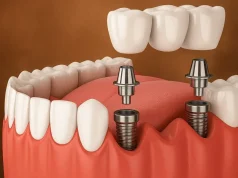
Full mouth dental implants are where several dental implants are used to hold a replacement dentition for the entire upper jaw, lower jaw or both. The number of implants required varies based on a variety of factors including bone health, oral health and the type of restoration chosen. Some treatments employ individual implants and crowns while others using full-arch techniques involve a few strategically placed implants that will support a full dental arch. A detailed dental examination is required before making an appropriate approach.
Who May Need Them?
Available for those who have extensive tooth loss, severely damaged teeth, advanced dental issues, or trouble with regular dentures, full mouth implants are a treatment option. There needs to be enough bony structure support or the patient needs to be a candidate for bony structure enhancement.
The overall health and oral hygiene are also significant. Other dental issues that require treatment before implant surgery include gum disease.
The Treatment Process
Treatment starts with a consultation, a dental exam and diagnostic imaging. The dentist may take X-rays or a 3-D scan to determine the position of the jawbone and plan the placement of the implants.
If the tooth is broken, it might need to be removed before the placement of the implants. During this time, a temporary tooth may be placed in the patient’s mouth as a temporary solution to the missing teeth. As healing occurs the implants will slowly fuse with the bone around them. After the healing is adequate, a permanent, custom-made prosthesis can be placed.
Full Mouth Implants – several benefits.
The main plus factor is stability. The implant-supported teeth do not move as much as removable dentures because they are held in place by the jawbone. Patients may enhance chewing function, speech, comfort and confidence.
Normal biting force is another factor that keeps the jawbone in good condition, and implants can help with this. Today’s materials for making prostheses may be tailored to ensure a natural smiling aesthetic that works with facial anatomy.
Many factors determine the cost and time required for treatment.
The amount depends on the number of implants used, materials used, the number of diagnostic measures that might have to be taken, extra treatments that might be needed, and the expertise of the dental professional. Treatment that involves bone grafts or other surgery might make treatment costs higher. Treatment time varies person to person too. The length of the process may vary depending on the healing time, nature of the surgery, and the type of restoration.
Taking care of full mouth implants
It’s important to practice good oral care on a post-treatment basis. Patients should follow their dentist’s cleaning guidelines, clean around and under the prosthesis, and visit their dentist regularly. Professional maintenance helps to monitor the implants, gums and restoration.
Conclusion
For the appropriate patient, full mouth dental implants can offer a durable and reliable option to traditional dentures. However, treatment is very individualised and needs to be planned. A consultation appointment with a qualified dental professional will help to determine if full mouth implants are a viable option and which treatment option is best suited to your oral health, function and aesthetic and long-term needs.