Millions of people around the world have used Invisalign to improve their smiles. But many still wonder, how do these clear aligners actually move teeth? For years, metal braces were the only option, so it’s natural to be curious about how Invisalign works and whether it’s as effective. Let’s look at the science and process behind this modern treatment.
The Story Behind Invisalign
Invisalign was developed by five founders of Align Technology in 1997 in Redwood City, California. Their goal was to use technology to straighten teeth more comfortably and conveniently. If you’re exploring treatment options, Invisalign Lower Manhattan offers access to experienced providers who specialize in this advanced system. Just two years later, in 1999, Invisalign clear aligners were introduced to the public. Since then, the system has helped more than 6 million people worldwide, including over 1.5 million teenagers. This history proves that Invisalign is not just a trend, it’s a proven, trusted orthodontic treatment.
How Teeth Move
To understand how Invisalign works, it helps to know how teeth move in general. Both traditional braces and Invisalign use gentle, continuous pressure to shift teeth over time. Teeth are connected to the jawbone by a soft tissue called the periodontal ligament, which acts like a cushion. When pressure is applied, one side of the bone breaks down slightly to allow movement, while new bone forms on the other side to hold the tooth in its new position.
This process is natural and gradual, keeping your teeth and gums safe. With Invisalign, this movement happens through a carefully planned series of aligners that guide your teeth step by step into proper alignment.
The Biology Behind Tooth Movement
The periodontal ligament contains collagen fibers that attach your tooth roots to the bone. These fibers respond to pressure changes whenever you bite or chew. When Invisalign aligners apply gentle force, they trigger the same biological response, bone is resorbed (broken down) where the tooth moves, and new bone forms behind it. This natural remodeling process is what allows Invisalign to move your teeth effectively without discomfort.
How Invisalign Uses This Process
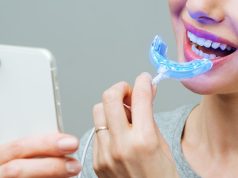
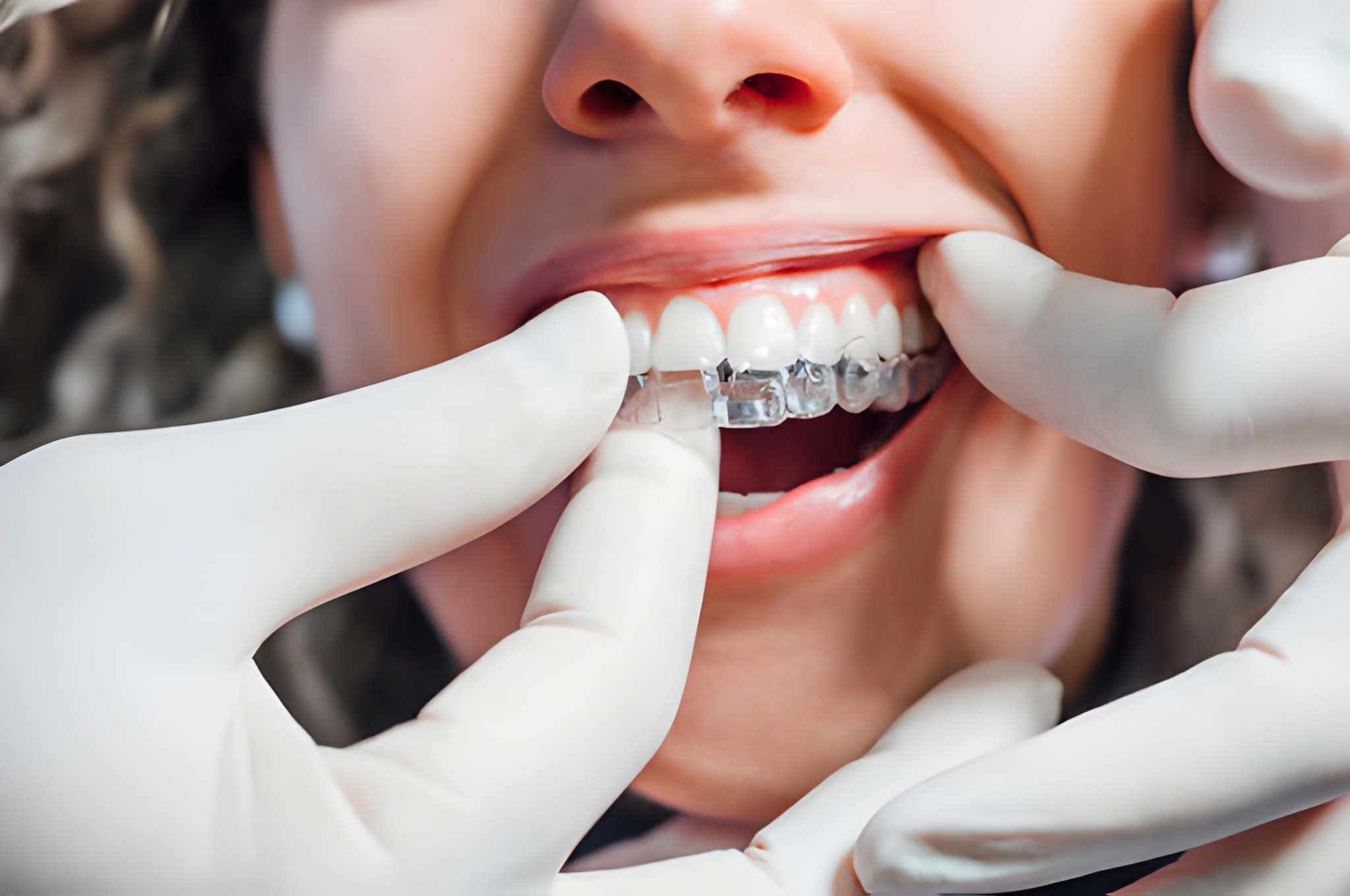
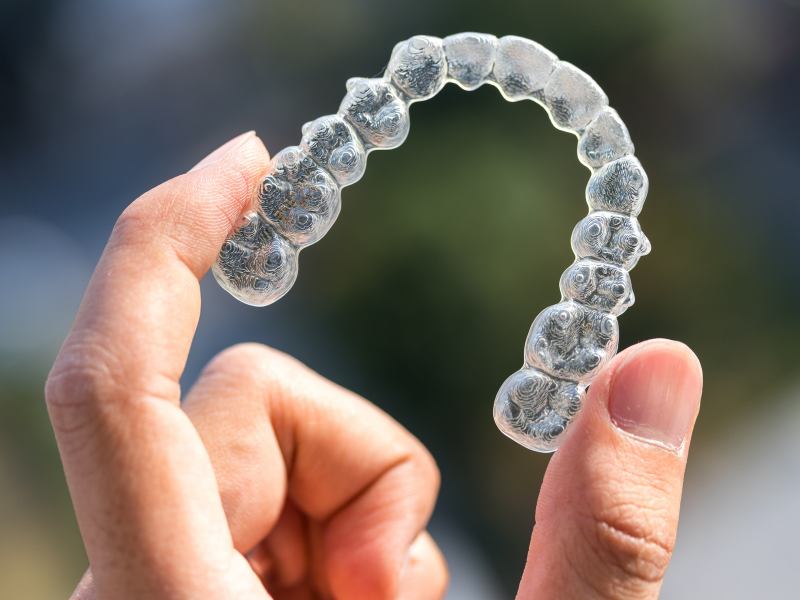
Invisalign works by using a series of clear, removable trays that fit snugly over your teeth. Each set of aligners is slightly different and shifts your teeth a little further into position, about 0.25 millimeters every few days. However, the bone needs time to adjust, so each set is worn for around two weeks.
For best results, Invisalign aligners must be worn 20–22 hours per day. You should remove them only for eating, brushing, and cleaning. Wearing them consistently ensures steady progress and prevents your teeth from shifting back to their old positions.
If you lose an aligner, contact your orthodontist immediately to get a replacement so that your treatment stays on track.
Why Consistency Matters
The success of Invisalign depends heavily on patient discipline. Because the aligners are removable, wearing them regularly is key. Skipping hours can slow progress or cause relapse, making the treatment take longer. Following your orthodontist’s advice helps ensure that your bone and ligament adapt properly to each new position.