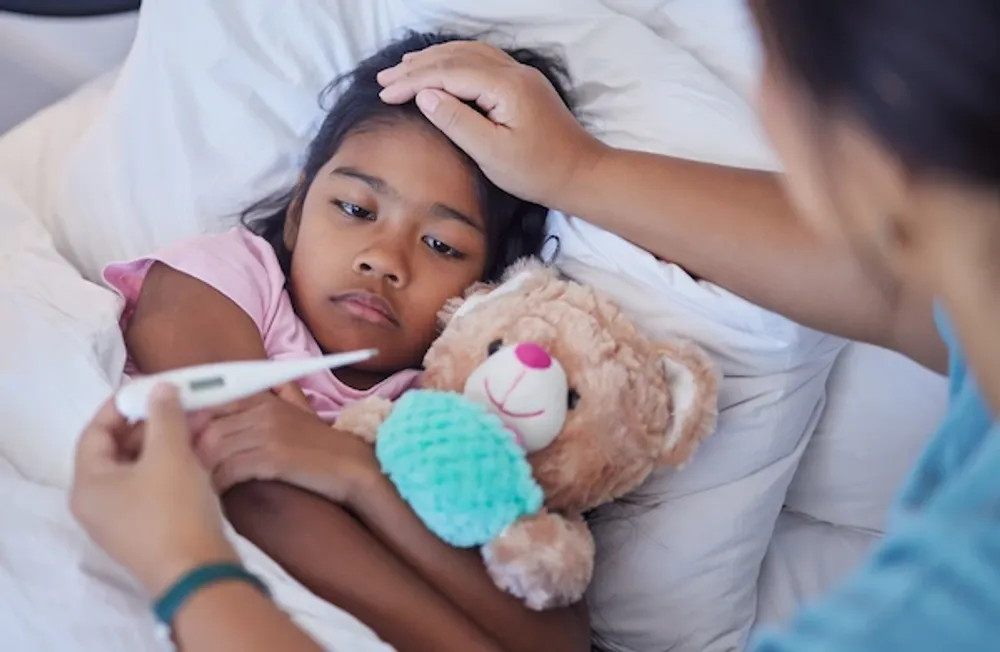
Rising body temperature in young patients often signals internal stress. Parents usually notice fatigue, irritability, or unusual warmth first. Early observation helps identify patterns linked with children fever. Timely care decisions often prevent unnecessary discomfort or complications.
Early Recognition Supports Faster Healing
Prompt recognition helps families react calmly and thoughtfully. Children respond better when symptoms receive attention early. Caregivers who notice changes quickly guide recovery smoothly.
Gentle monitoring reveals patterns that support medical understanding. Consistent care also reassures children during uncomfortable moments. Early action reduces uncertainty while supporting gradual healing progress.
Supportive Home Monitoring During Fever
Comfortable surroundings help young patients remain calm during illness. Caregivers should observe physical changes patiently and attentively. Regular checks provide helpful insight about temperature progression.
- Maintain calm environment with quiet resting spaces
- Offer frequent hydration through small steady sips
- Use light clothing allowing natural body cooling
- Track temperature changes using reliable thermometer readings
Careful home observation strengthens understanding of physical responses. Children feel safer when familiar routines continue gently. Balanced monitoring supports comfort while awaiting medical guidance.
How Can Parents Recognize Warning Changes?
Concern often grows when symptoms appear unexpectedly.Persistent lethargy, confusion, or breathing discomfort deserves immediate review. High temperature lasting several days signals further medical evaluation. Clear awareness allows families to react calmly yet decisively.
Could Fever Episodes Affect Child Behavior?
Parents often wonder about unusual mood shifts.Fatigue and discomfort naturally influence emotional reactions. Irritability appears when energy levels fall quickly. Adequate rest helps restore emotional balance during healing. Calm reassurance encourages security while symptoms gradually improve.
Medical Consultation Helps Clarify Health Direction
Professional evaluation offers reassurance when uncertainty appears. Pediatric guidance helps interpret symptoms accurately and responsibly. Families gain clarity about treatment steps or observation needs.
Medical experts evaluate patterns connected with children fever carefully. They also consider hydration levels and respiratory stability. Accurate diagnosis prevents unnecessary worry while guiding safe recovery.
What Should Families Expect After Treatment?
Parents often ask about progress following medical care.Temperature reduction frequently occurs within several treatment days. Energy gradually returns as hydration and rest improve. Children usually resume normal play once strength rebuilds steadily. Gentle supervision ensures lingering symptoms receive attention if necessary.
Physical Comfort Measures During Temperature Rise
Warmth often causes restlessness and visible fatigue. Gentle care methods help children remain relaxed during illness. Comfort measures reduce distress while the body manages infection.
- Use lukewarm sponge baths for mild cooling
- Keep room air comfortably fresh and ventilated
- Encourage rest in quiet softly lit spaces
- Provide lightweight blankets instead of heavy bedding
Simple comfort steps calm the body during fever phases. Relaxed surroundings support natural temperature regulation processes. Children usually respond positively to quiet, patient care.
How Do Doctors Evaluate Persistent Fever?
Parents sometimes worry about prolonged illness signs. Doctors review recent symptoms, hydration patterns, and activity levels. They measure temperature and examine breathing or throat condition. Additional tests may appear if symptoms remain unclear. Clear explanation from physicians helps families understand recovery expectations.
Comfort, Patience, And Steady Care
Children recover best through calm reassurance and attentive observation. Families who respond early help reduce stress surrounding illness. Steady routines encourage confidence while healing gradually restores strength. Careful attention, patience, and warmth guide children toward comfortable recovery.