Visiting a Fernbrook dentist often involves routine procedures to maintain oral health and prevent future issues. Understanding these common dental procedures can ease any concerns and encourage regular visits. General dentists are well-equipped to handle a variety of treatments, ensuring that you receive comprehensive care in one place. In this blog, I will discuss the top five dental procedures you might encounter during a visit. These treatments are fundamental to dental health and are regularly performed to address multiple needs. The procedures include cleanings, fillings, and three others integral to dental care. Each procedure plays a crucial role in preventing oral diseases and maintaining a bright smile. By understanding what these procedures entail, we can take proactive steps in our dental hygiene and health. Let’s explore them further, shedding light on their importance and how they contribute to overall well-being.
1. Dental Cleanings
Dental cleanings are the foundation of good oral hygiene. During a cleaning, the dentist removes plaque and tartar that regular brushing and flossing might miss. This process helps prevent cavities and gum disease. The American Dental Association recommends these cleanings every six months to maintain oral health. Regular cleanings can also help catch early signs of dental issues before they become bigger problems.
2. Dental Fillings
Fillings are used to repair cavities and restore tooth function. When decay creates a hole in the tooth, a filling seals it and prevents further damage. The dentist first removes the decayed part, cleans the area, and then fills it with a durable material. Fillings come in different materials like amalgam or composite resin. Each material has its own benefits, which the dentist will discuss to choose the best option for your needs.
3. Tooth Extractions
Sometimes, a tooth must be removed. This could be due to severe decay, infection, or crowding. Extractions are common and usually straightforward procedures. After numbing the area, the dentist gently removes the tooth. Modern techniques ensure that extractions are as comfortable as possible. Understanding when an extraction is necessary can help prepare for the procedure and recovery.
4. Crowns
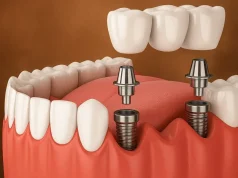
Crowns are caps placed over damaged or weakened teeth. They restore shape, strength, and appearance. Dentists recommend crowns for teeth that have large fillings, are cracked, or have undergone a root canal. Crowns can be made from various materials, including porcelain, metal, or a combination. Each type offers different benefits, and your dentist will guide you in choosing the most suitable one.
5. Root Canal Treatment
Root canal treatment saves a tooth that is infected or severely decayed. The dentist removes the infected pulp, cleans the inside of the tooth, and seals it. Despite common misconceptions, root canals are not painful. In fact, they relieve the pain caused by the infection. This treatment can prevent the need for an extraction, preserving your natural tooth.
Comparison of Dental Procedures
| Procedure | Purpose | Frequency |
|---|---|---|
| Cleaning | Preventive care | Every 6 months |
| Filling | Repair cavities | As needed |
| Extraction | Remove damaged teeth | As needed |
| Crown | Restore tooth shape | As needed |
| Root Canal | Treat infection | As needed |
Understanding these procedures highlights the importance of regular dental visits and addressing dental issues promptly. Each procedure serves a specific purpose and helps maintain oral health.
Regular check-ups with a general dentist ensure that your teeth and gums stay healthy. Early intervention and preventive measures can make a significant difference in maintaining a beautiful, healthy smile. By understanding these common procedures, we can approach dental visits with confidence and clarity.