A tooth whitening treatment can be divided into two types. Visiting a dentist is one option, but you can also do it yourself at home if you wish. There is no similarity between these two methods in terms of how they work. The chemicals used have different strengths. How long you wait for results changes quite a bit. Money is another big split. Invisalign NYC clinics sometimes throw in whitening after your teeth get straightened. Each route fits different people depending on what they need. Understanding these gaps helps you choose smarter.
Bleaching agent strength
Dentists work with hydrogen peroxide that goes up to forty percent. That’s seriously strong stuff. It cuts through enamel stains fast. They’re trained to keep it off your gums and cheeks. Boxes from the pharmacy are way weaker. Ten percent hydrogen peroxide tops. Sometimes they use carbamide peroxide, which works even slower. Gentler means your teeth won’t hurt as much. But the color shift won’t blow you away either. You get safety instead of power with drugstore brands.
Treatment duration comparison
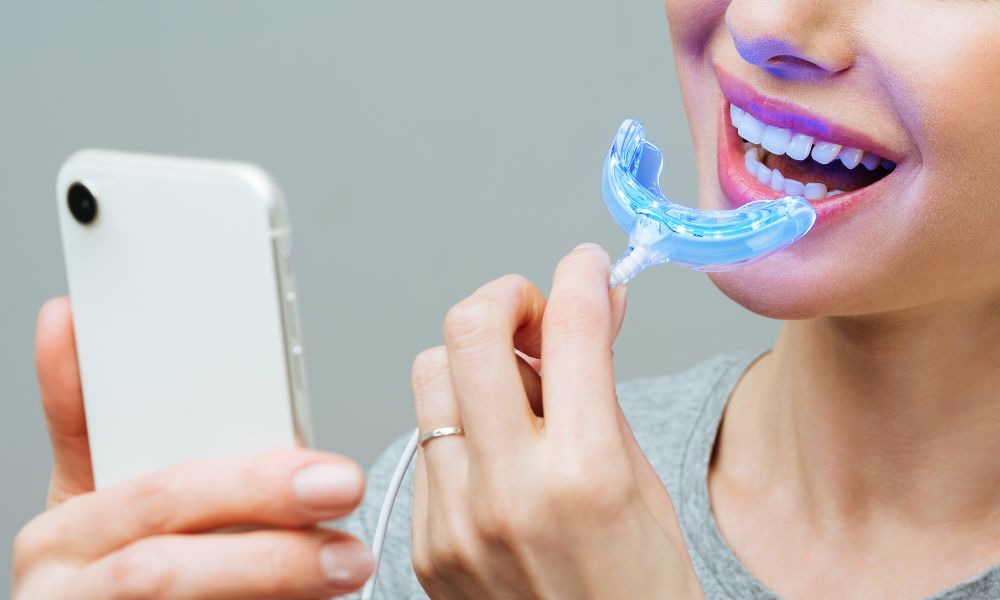
Office whitening finishes in one or two trips. Each session eats up sixty to ninety minutes. Lots of people walk out multiple shades brighter after their first go. The dentist puts gel on, hits it with a light, then does it again. Home kits need daily effort for weeks on end. Strips sit on your teeth for half an hour each day. Gel trays stay in for hours, or you sleep with them. Most boxes say two to four weeks of daily use. Skip a few days, and you’re starting over. Takes forever, but you can do it whenever.
Professional supervision matters
Dentists check your whole mouth first. Cavities get spotted. Cracks too. Gum disease shows up. Fix those before whitening, or you’ll be in pain. They cover your gums with protective stuff during treatment. Teeth hurt? They dial down the strength right away. Home whitening leaves you flying solo. Got a cavity you don’t know about? Whitening gel will find it painful. Bad application torches your gums or wrecks enamel. Nobody’s watching to catch mistakes. Instructions help, but they’re not the same as a trained professional standing there. Plenty of people end up with splotchy teeth from doing it wrong.
Longevity of results
Professional jobs give you the biggest colour jump. Eight to ten shades lighter happens for some people. Stays that way for one to three years if you take care of them. Quick touch-ups keep things bright down the line. Home stuff makes modest changes. Two to four shades is what most users get. Weaker chemicals mean smaller shifts. Fades quicker, too. You’ll be buying more boxes constantly. Coffee and wine make it disappear even faster, no matter which method you picked.
Professional whitening works faster and goes harder with a dentist watching. Home kits save money, but eat up your time. Neither one is perfect for every single person. Your dental health matters. So does your budget. What shade you’re chasing counts too. Make sure you consult a dentist before you start any whitening, so you don’t overdo it.