Introduction
A full mouth restoration is a life-changing dental treatment that replaces or rebuilds every tooth in the upper and lower jaws. This broad approach promotes dental health and appearance in addition to oral functions such as speaking and eating. Patients can restore confidence and achieve a healthy, long-lasting smile by combining different restorative and cosmetic procedures, often referred to as Full Mouth Restoration Castle Rock, CO.
Planning for treatment
Your dental professionals will create an individual treatment strategy based on your evaluation:
- Treatments are prioritized according to the best timing and priority.
- If necessary, this involves working with an orthodontist, dental specialist, oral specialist, or other medical specialists.
- Includes a summary of how long each therapy phase will last.
- The dentist will talk to you about costs that are not covered, financing possibilities, and other matters before moving forward.
- Establishes reasonable goals for results and healing.
Phases
Phase 1: Fundamental Work
- Medical care for an oral infection or a gum condition.
- Removal of teeth (if required).
- Techniques for tooth grafting are examined.
- Initial phase of recovery.
Phase 2: Restoration of Structures
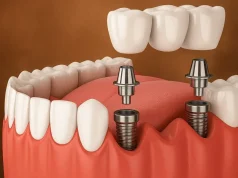
- Insertion of implants to replace lost teeth.
- Root canal treatment (if necessary).
- Preparation of teeth for dental crowns or dental bridges.
- Short-term cosmetic and functional repairs.
Phase 3: Complete Repair
- Implant-supported replacements, dental bridges, or permanent crowns are included.
- Additional bite modifications and enhancements.
- Aesthetic improvements, including veneers (if preferred).
Phase 4: Upkeep and Monitoring
- Routine examinations to track recovery and performance.
- Specialized upkeep and cleansing.
- Guidance for long-term oral care.
Regular care
Full-mouth restorations need attention even after the procedure is finished:
- Fluoride toothpaste should be carefully brushed twice a day.
- Use cleansers or flossing every day.
- Rinse with antimicrobials to reduce redness and germs.
- Particular attention to prosthetics and implants
- Ensure frequent dental checkups every three to six months.
- Stay away from bad habits like crunching ice or grinding your teeth.
- Put on mouth safety equipment when playing sports.
- Make eating choices that promote dental health.
Benefits
Having a full mouth restoration has many benefits that go beyond better looks:
- Enhanced oral functionalities: Your capacity to eat will be restored, enabling you to resume enjoying all of your favorite meals.
- Better speech clarification: Removes mumbling and trouble saying words.
- Improved digestion: The outcome of correctly breaking down food.
- Improved biting alignment: This results in less jaw pain.
- Elimination of causes of infection: Prevents decayed or broken teeth from being harmful.
- Better nutrition: Associated with the capacity to consume a diversified, healthful diet.
- Improved dental hygiene: Properly coordinated, restored teeth make cleaning simpler and more effective.
- Safe in the future: Decreased chance of developing new dental issues.
Conclusion
For people with several dental problems, a full mouth restoration may change their lives. This offers the potential for full dental health repair, even if you’re battling with severe gum disease, decaying teeth, or functional issues. Make an appointment with a reputable dentist if you’re prepared to consider full mouth restoration possibilities.