Outpatient rehabilitation delivers structured treatment. It allows patients to maintain daily routines. It helps them meet work obligations. These programs provide medical oversight. They offer regular therapy sessions with group support. Patients do not need residential placement. Outpatient drug rehab Orange County centers follow proven methods designed to achieve recovery goals while helping patients preserve family relationships and community connections throughout the duration of treatment. The approach balances healing with everyday responsibilities.
Flexibility in daily life
Flexibility in daily life is a major benefit of outpatient programs. These programs fit around work schedules, family duties, and school requirements that inpatient treatment often interrupts. People attend therapy during set hours and then return home each night to apply recovery techniques in real life. This arrangement allows individuals to keep earning money. It helps them continue raising children. It supports completing education without long breaks that could interfere with responsibilities. Sleeping in familiar beds provides emotional comfort during vulnerable periods. Home environments offer stability that reinforces the positive changes learned in therapy. Many participants find that following regular sleep patterns in their own rooms improves rest quality. Better sleep supports physical healing. It builds practical coping strategies that are effective in real life.
Family support systems
Family involvement improves recovery success through emotional support plus practical help during tough treatment phases. Outpatient programs include family therapy that repairs relationship damage from addiction while teaching better communication methods.
- Partners learn support strategies without enabling harmful behaviours
- Kids get an appropriate education about addiction as an illness rather than a character flaw
- Relatives understand their part in building supportive home settings
- Family sessions tackle trust problems, money issues, legal troubles, and addiction caused
Living at home during treatment lets families practice new relationship patterns immediately instead of waiting until treatment ends. These instant applications of therapy concepts strengthen family ties while providing ongoing motivation for lasting sobriety. Family members see daily improvements, reinforcing their dedication to supporting recovery through rough patches.
Professional guidance options
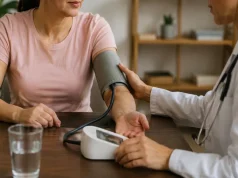
Outpatient programs provide different types of treatment based on individual needs. They consider the severity of addiction and any mental health challenges. Medical staff monitor withdrawal symptoms. They track medication requirements. They assess physical health. Psychiatric support is offered whenever necessary.
- Private counselling targets personal trauma, triggers, and coping skills for each person
- Group therapy provides peer support for people facing similar addiction struggles.
- Specialised tracks focus on specific drugs like opioids. They also focus on alcohol or stimulants.
- Dual diagnosis care treats addiction plus mental health problems together
- Medication therapy uses approved drugs. It also provides counselling to treat opioid addiction.
Treatment teams adjust program intensity based on patient progress. This tailored method ensures people get proper support levels without unnecessary limits that might reduce motivation. Professional monitoring provides safety while encouraging independence that maintains recovery after the program ends. Outpatient drug rehabilitation provides practical benefits that fit modern life. It delivers effective addiction treatment. Professional medical care and flexible scheduling support recovery. Family participation creates strong support systems. These systems address multiple needs during recovery. These programs prove that seeking help doesn’t require abandoning responsibilities or disrupting established routines that provide stability during challenging recovery periods.